

🏙️ Introduction: Finding Calm in the Concrete Jungle
Welcome to biophilic home— a design philosophy that reintroduces nature into our homes, helping us breathe, heal, and live in balance with the world around us.
City life is fast-paced — full of ambition, innovation, and opportunity. Yet, in our vertical landscapes of glass and steel, something vital has faded — our connection with nature.
Between screens, deadlines, and sealed windows, we’ve lost the soothing rhythm of sunlight, greenery, and fresh air.
But here’s the good news: you can bring that connection back, right where you live.
🌱 What Is Biophilic Design?
The word biophilia, coined by biologist Edward O. Wilson, means “love for life.” It reflects our instinctive need to connect with the natural world.
In design, biophilic homes integrate nature through light, materials, colors, and organic forms — creating spaces that nurture well-being.
It’s more than just indoor plants. It’s about recreating nature’s harmony indoors, where every element — light, texture, scent, and sound — evokes life and calm.
A biophilic home lets you:
- 🌿 See greenery and sunlight.
- 💧 Hear gentle water sounds.
- 🪵 Feel organic textures.
- 🌬️ Breathe fresh, natural air.
- 💚 Experience serenity.
This sensory harmony not only enhances the beauty of a home but also restores emotional balance.
🌇 Why Urban Spaces Need Nature More Than Ever
Modern cities thrive on speed — but our minds crave stillness. Artificial lighting, confined layouts, and screen-heavy routines leave us overstimulated.
Research in environmental psychology shows that people surrounded by nature experience:
- 🌿 Reduced stress and anxiety.
- ☀️ Improved mood and focus.
- 😴 Better sleep and energy balance.
The more disconnected we become from nature, the deeper our desire to bring it back — especially into our homes.
🌸 Simple, Stylish Ways to Create a Biophilic Home
🌿 1. Make Plants the Heart of Your Space
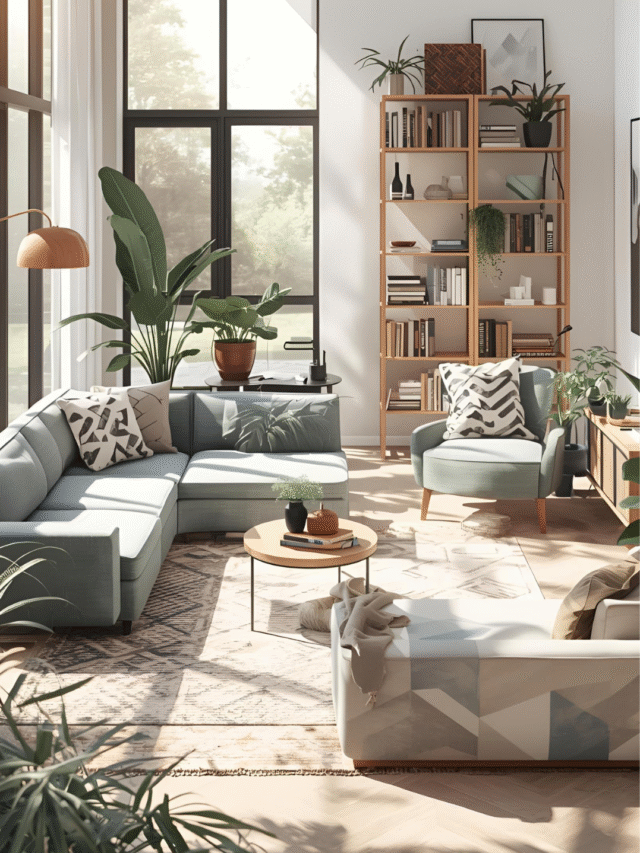
Choose low-maintenance, air-purifying plants like peace lilies, snake plants, or ZZ plants.
Use vertical gardens, hanging planters, or terrariums to add depth and freshness.
Mix textures and heights to create a lush, living focal point — not just decoration, but design that breathes.
☀️ 2. Let Natural Light Flow In
Sunlight is the soul of a home.
Opt for large windows, sheer curtains, and strategic mirrors to maximize brightness.
If your apartment lacks sunlight, install daylight LEDs to mimic warm, natural tones.
This connection with natural light enhances mood, productivity, and circadian rhythm.
🪵 3. Choose Organic, Earthy Materials
Trade synthetic finishes for wood, bamboo, stone, rattan, or jute.
A reclaimed wooden table or a woven rug brings warmth and texture.
Natural materials age beautifully — adding authenticity and tactile comfort.
💧 4. Add the Element of Water
The gentle sound of flowing water soothes the senses.
Add a tabletop fountain, aquarium, or mini pond for tranquility.
Water symbolizes renewal and emotional balance — perfect for urban homes seeking calm.
🎨 5. Use Nature-Inspired Colors & Patterns
Colors influence emotions as deeply as light does:
- Green for harmony 🌿
- Blue for calm 🌊
- Beige and brown for grounding 🌾
- White for openness ☁️
Incorporate leaf motifs, natural stone textures, or floral patterns in wallpapers, fabrics, or ceramics for a subtle nature touch.
🌺 6. Engage All the Senses
True biophilic design appeals to sight, sound, and scent:
- Diffuse lavender, jasmine, or sandalwood for freshness.
- Play soft ambient nature sounds like rain or birdsong.
- Keep windows open for cross-ventilation and airflow.
When all senses align, your home transforms into a multi-sensory sanctuary.
🧘♀️ The Emotional Impact: When Your Home Breathes with You
A biophilic home doesn’t just house you — it heals you.
When sunlight filters through leaves or the sound of water echoes softly, your body relaxes. Stress hormones drop, while happiness hormones rise.
You feel safe, calm, and connected — not just to your home, but to something timeless and natural.
🌏 Sustainability Meets Serenity
Biophilic design is closely tied to sustainability.
By embracing natural ventilation, energy-efficient lighting, and locally sourced materials, you create a home that’s both eco-conscious and emotionally grounding.
It’s a lifestyle that cares for you, and for the planet.
🌿 Conclusion: Where Modern Life Meets Nature
In our race toward progress, we’ve drifted away from nature’s rhythm.
Biophilic design is the bridge back — a reminder that peace doesn’t come from luxury, but from light, air, and balance.
By inviting nature into your home, you’re not just decorating —
You’re healing, reconnecting, and creating harmony between your world and the natural one.
Because home isn’t just where you live — it’s where you breathe.