The Power of Natural Illumination
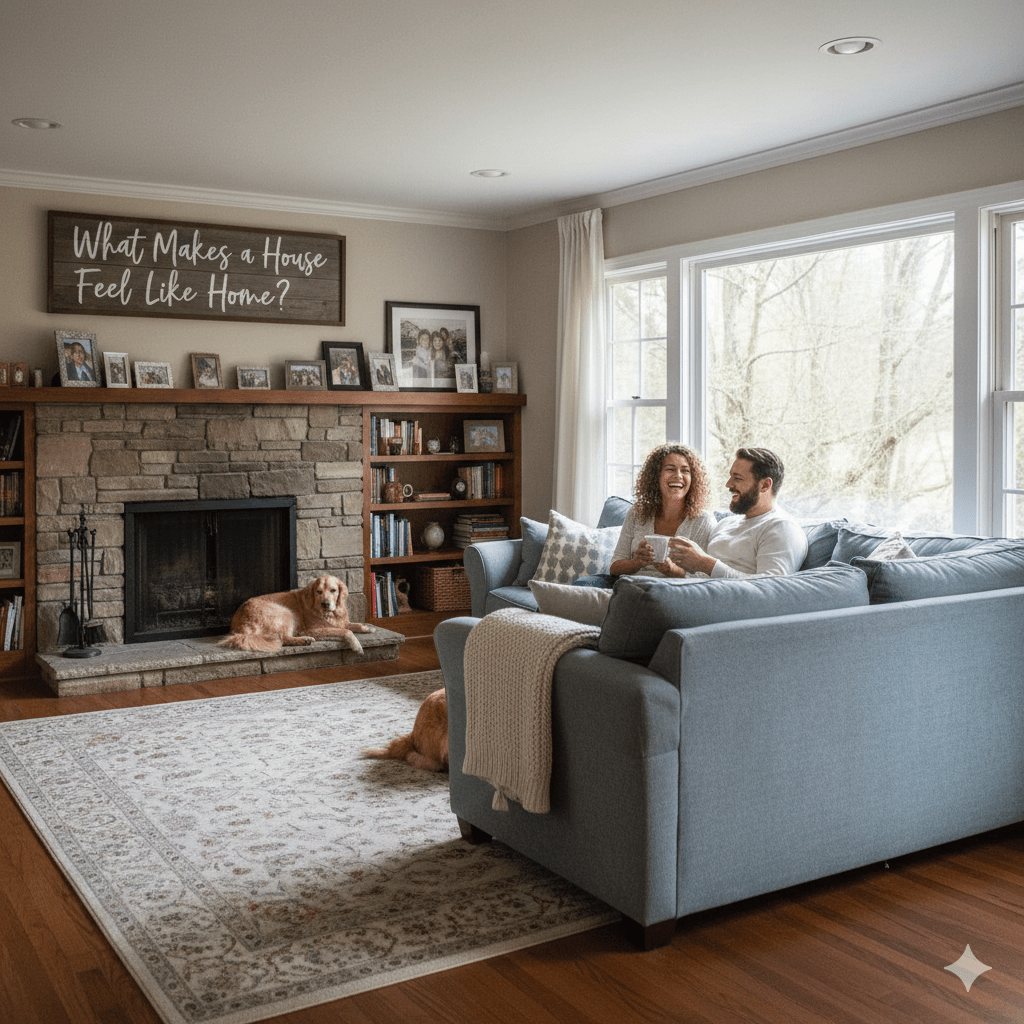
Natural light does far more than help us see — it shapes how we feel and behave within a space. Research shows that exposure to sunlight improves mood, enhances focus, and supports better sleep. With thoughtful design, we can use sunlight to nurture both the body and the mind.
Key benefits of incorporating sunlight into design:
Think about what you learned — discipline, focus, and the ability to stay strong through challenges. Whether the outcome meets your expectations or not, you’ve already built skills that go far beyond an exam score.
- Enhances aesthetics: Sunlight reveals textures, forms, and colors in ways no artificial light can.
- Boosts wellness: Natural light reduces stress, uplifts mood, and helps maintain healthy sleep cycles.
- Saves energy: Using daylight minimizes dependence on electrical lighting, making homes more sustainable.
- Creates dynamic spaces: The changing patterns of light through the day keep interiors alive and inspiring.
Design Strategies to Harness Sunlight
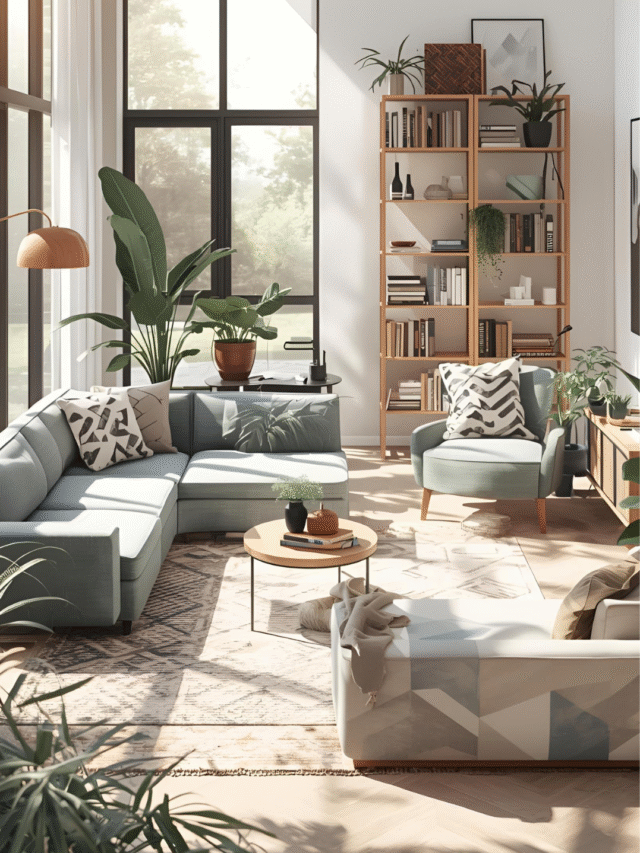
- Large Windows and Glass Walls: Floor-to-ceiling glass helps sunlight flood interiors, seamlessly connecting indoor and outdoor spaces.
- Reflective Surfaces: Mirrors, glossy finishes, and light-toned walls amplify natural light, making rooms appear larger and brighter.
- Open Floor Plans: Fewer partitions allow sunlight to travel freely, brightening multiple zones at once.
- Skylights and Sun Tunnels: Perfect for spaces without direct windows, they channel daylight into areas that would otherwise remain dim.
- Outdoor Integration: Balconies, terraces, and garden-facing windows invite natural air and light indoors, creating a sense of openness and flow.
- Seasonal Consideration: Smart window placement and shading ensure comfort — maximizing winter sunlight while reducing summer glare and heat.
This kind of reflection gives you clarity and direction for your next academic choices.
Sunlight in Modern Interior Design
Conclusion
Designing with sunlight is an art — one that brings nature’s essence into everyday living. It’s not only about aesthetics but about creating spaces that nurture well-being, harmony, and joy. A sunlit home feels open and alive; it uplifts the spirit while grounding the soul.
Every ray of sunlight that enters through a window carries warmth, inspiration, and renewal. When we design spaces that embrace the sun, we aren’t merely constructing walls and roofs — we’re shaping sanctuaries that celebrate life itself.
So, let the light in. Let every corner glow with clarity, warmth, and peace. After all, every room has its own story — and sunlight is the most beautiful way to tell it.
Sunlight in Modern Interior Design
At
Pick Your Home, we invite you to reimagine your home as a reflection of your best self — serene, purposeful, and beautifully simple.